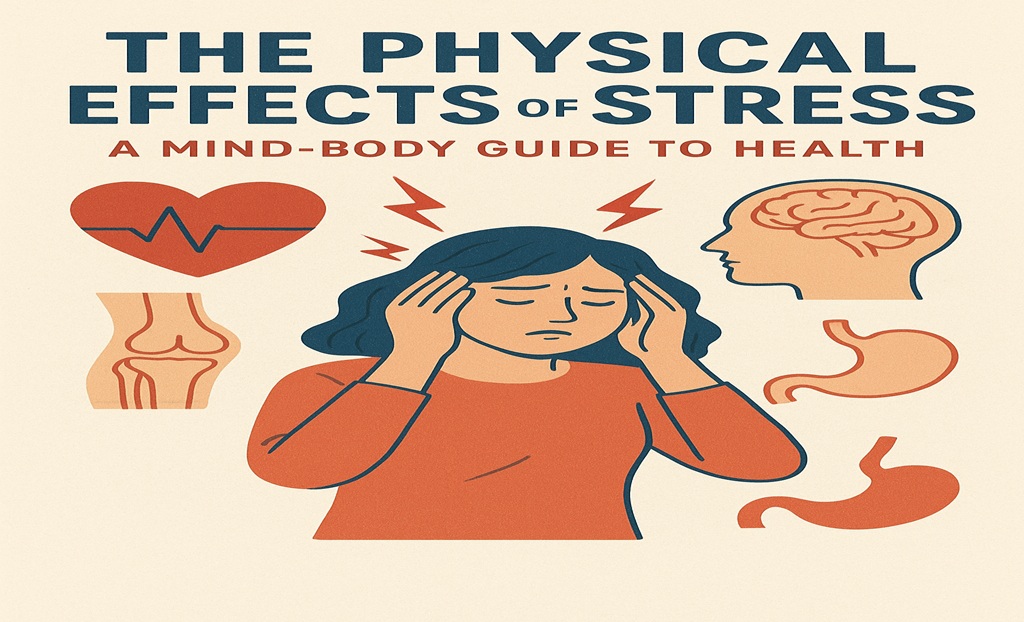
Although stress is frequently thought of as merely a mental or emotional problem, its effects extend well beyond our mind. Because of the close relationship between the mind and body, stress can result in a variety of physical health issues. Chronic stress can have a major negative impact on general health, causing everything from digestive problems to heart disease. The first step to reducing stress and living a better life is realizing how it impacts the body.
The Impact of Stress on the Body
Your body goes into “fight or flight” mode when you’re under stress, releasing hormones like cortisol and adrenaline. While these hormones can be helpful in the short term, prolonged stress can harm many organs and systems over time.
Heart Health and Stress
Prolonged stress raises the risk of heart disease by causing inflammation, elevated blood pressure, and an accelerated heartbeat. Research indicates that those who experience ongoing stress are more susceptible to heart attacks and strokes.
An example would be a corporate executive who is always under pressure to meet deadlines and put in long hours. This eventually raises the risk of heart disease and excessive blood pressure.
The Immune System and Stress
Because stress impairs immunity, the body is more vulnerable to colds, infections, and even autoimmune disorders. White blood cells, which are essential for battling disease, are produced less frequently when cortisol levels are high.
For instance, a college student who is studying for a test suffers from sleeplessness brought on by stress and, as a result of a compromised immune system, gets colds frequently.
Stress and Problems with Digestion
Because of the tight connection between the gut and the brain, stress can interfere with digestion, resulting in bloating, acid reflux, stomach pain, and irritable bowel syndrome (IBS). Stress causes the body to redirect energy from digestion, which can lead to discomfort and chronic digestive issues.
For instance, a lady who struggles with work-related stress frequently has indigestion and stomach pain, and she observes that these symptoms are worse in stressful situations.
Weight Gain with Stress
Prolonged stress can cause cravings for unhealthy foods, overeating, and the accumulation of fat, particularly around the abdomen. This is because cortisol slows metabolism and increases appetite.
For instance, when a man is under financial stress, he turns to junk food for solace, which increases his risk of developing diabetes and causes him to gain weight.
Mental Health and Stress
Anxiety, despair, and mood swings are all exacerbated by prolonged stress. Additionally, it may cause sleep disruptions, which may hinder recovery and normal functioning.
For instance, a mother who balances work and family obligations frequently has mood swings and has trouble falling asleep as a result of ongoing stress.
How to Reduce Stress for Improved Health
- Engage in Meditation and Mindfulness
Research indicates that deep breathing techniques and meditation can help reduce cortisol levels and encourage relaxation. Focusing on your breathing for just ten minutes each day can have a significant impact.
- Engage in Regular Exercise
Engaging in physical activity improves heart health, lessens the effects of stress, and produces endorphins, which are natural mood enhancers. Tension can be reduced with a little workout, yoga class, or stroll.
- Make sleep a priority.
Recovering from stress requires getting enough good sleep. Overall wellbeing can be enhanced by adopting healthy sleeping practices, such as avoiding devices just before bed and sticking to a regular sleep schedule.
- Continue to Eat Healthily
Consuming meals high in nutrients, such as whole grains, nuts, fatty fish, and leafy greens, helps lower inflammation brought on by stress and stabilize mood and energy levels.
- Establish Robust Social Networks
Speaking with loved ones, friends, or a therapist can offer emotional support and lessen the sense of loneliness brought on by stress.
- Establish Boundaries and Learn to Say No
Burnout can result from taking on too many obligations. Avoiding needless stress can be achieved by prioritizing self-care and establishing clear limits.
Conclusion
There is no denying the mind-body link; stress may harm the body in a number of ways in addition to its effects on mental health. You can safeguard your heart, gut, immune system, and general well-being by identifying the symptoms of chronic stress and putting healthy coping mechanisms into practice. You may live a longer, healthier, and more balanced life by making tiny changes today.