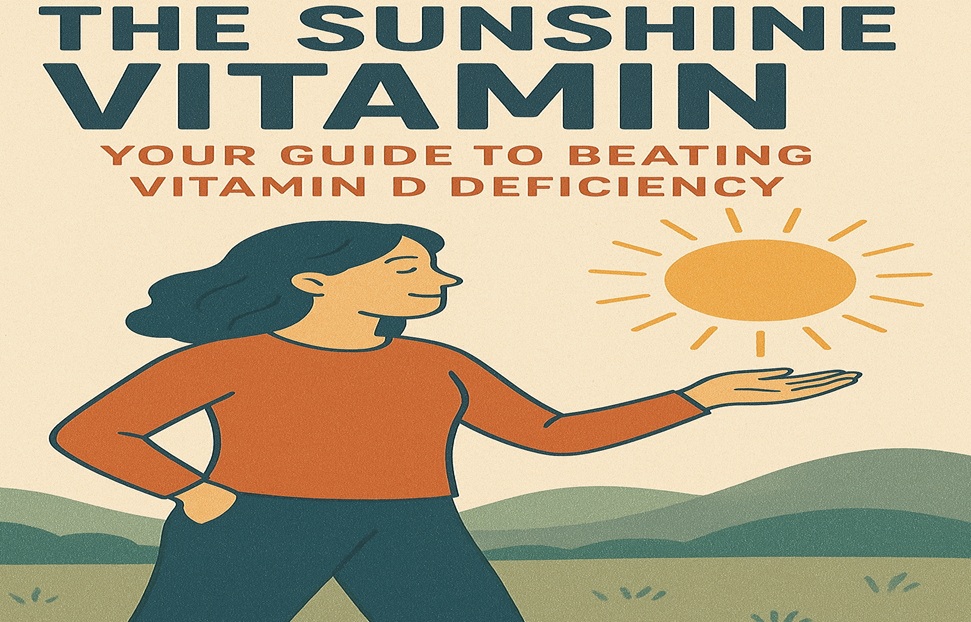
Despite the fact that vitamin D, sometimes referred to as the “sunshine vitamin,” is essential for good health, millions of people worldwide lack it without ever realizing it. Serious health problems, such as compromised immunity, bone disorders, and an elevated risk of chronic diseases, might result from this silent epidemic. The good news? It’s not as hard as you would imagine to correct a weakness.
What Makes Vitamin D Vital?
Vitamin D is essential for many body processes. It facilitates the body’s absorption of calcium and phosphorus, which are necessary for healthy bones and teeth. Additionally, it boosts immunity, which lowers the chance of autoimmune disorders, infections, and even some types of cancer. Furthermore, studies indicate that vitamin D contributes to brain health and mood management, hence preventing diseases like depression.
Vitamin D Deficiency Symptoms
Many people are unaware that they are deficient since symptoms can be modest. The following are typical indicators to look out for:
- Regular illness: Low vitamin D levels might impair your immune system if you frequently get colds or the flu.
- Fatigue and low energy: Vitamin D insufficiency can make you feel lethargic and exhausted even if you get enough sleep.
- Muscle and bone pain: Weak muscles and bones are typical symptoms that raise the risk of falls and fractures.
- Depression and mood swings: Anxiety and depression have been related to low vitamin D levels.
- Hair loss: Thinning or shedding of hair can be caused by severe deficits.
Who Is Most in Danger?
Vitamin D deficiency is more common in some groups, such as:
Individuals who work indoors or reside in places with little solar exposure are examples of people who spend little time outside.
People with darker skin: The skin’s capacity to synthesize vitamin D from sunshine is diminished by higher melanin levels.
Elderly people: As people age, their bodies’ capacity to produce vitamin D declines.
Individuals with digestive disorders: Vitamin D absorption may be impeded by conditions such as Crohn’s disease and celiac disease.
How to Correct a Deficiency in Vitamin D
- Increase the amount of sunlight
Sunlight is the finest natural source of vitamin D. Depending on the region and kind of skin, 15 to 30 minutes in the sun each day can help raise levels. This might not be sufficient, though, in colder locations or throughout the winter.
- Consume foods high in vitamin D.
Although vitamin D is not found in many foods naturally, some great sources are as follows:
- High-fat fish, such as sardines, tuna, and salmon
- The yolks of eggs
- Mushrooms (certain types exposed to ultraviolet light)
- Plant-based and dairy milk that has been fortified
- Liver oil from cod
- Take a supplement of vitamin D.
Supplements are a good choice for people who can not receive enough vitamin D from their food or from the sun. The daily intake that is advised varies:
- Adults under 70 should take 600 IU daily.
- For adults over 70, 800 IU per day
- Those with a severe deficit may require higher dosages (see a physician).
Examples from Real Life
Office Workers & Indoor Lifestyle: A IT worker who works indoors for the majority of the day suffers from recurrent colds and chronic weariness. They report having more energy and experiencing fewer ailments after taking vitamin D pills and spending more time outside.
A lady with seasonal affective disorder (SAD) has wintertime depression if she lives in a northern environment. Her mood considerably improves after taking more vitamin D.
Athletes & Bone Health: Low vitamin D levels are found in a runner who is suffering from stress fractures. Their bone health improves with more sun exposure and a vitamin D-rich diet, reducing the risk of further accidents.
Conclusion
Although common, vitamin D insufficiency is avoidable. Energy, mood, immune function, and long-term health can all be enhanced by taking steps to maintain optimal levels, whether through diet, supplements, or sunlight. Do not wait until symptoms develop if you suspect a deficit; a quick blood test might confirm it. A healthier tomorrow can result from making vitamin D a priority now.